
Pop Keyboard Course in Singapore
Learn to play popular songs on keyboard through practical lessons covering chords, melodies, rhythm, accompaniment and song structure. Suitable for beginners, children aged 6+, teenagers and adults.
Start learning keyboard with no previous experience required.
Age-appropriate lessons designed around each child's learning pace.
Learn from instructors with experience in teaching and practical music performance.
Choose Group, Dual or Individual lessons based on your learning needs.
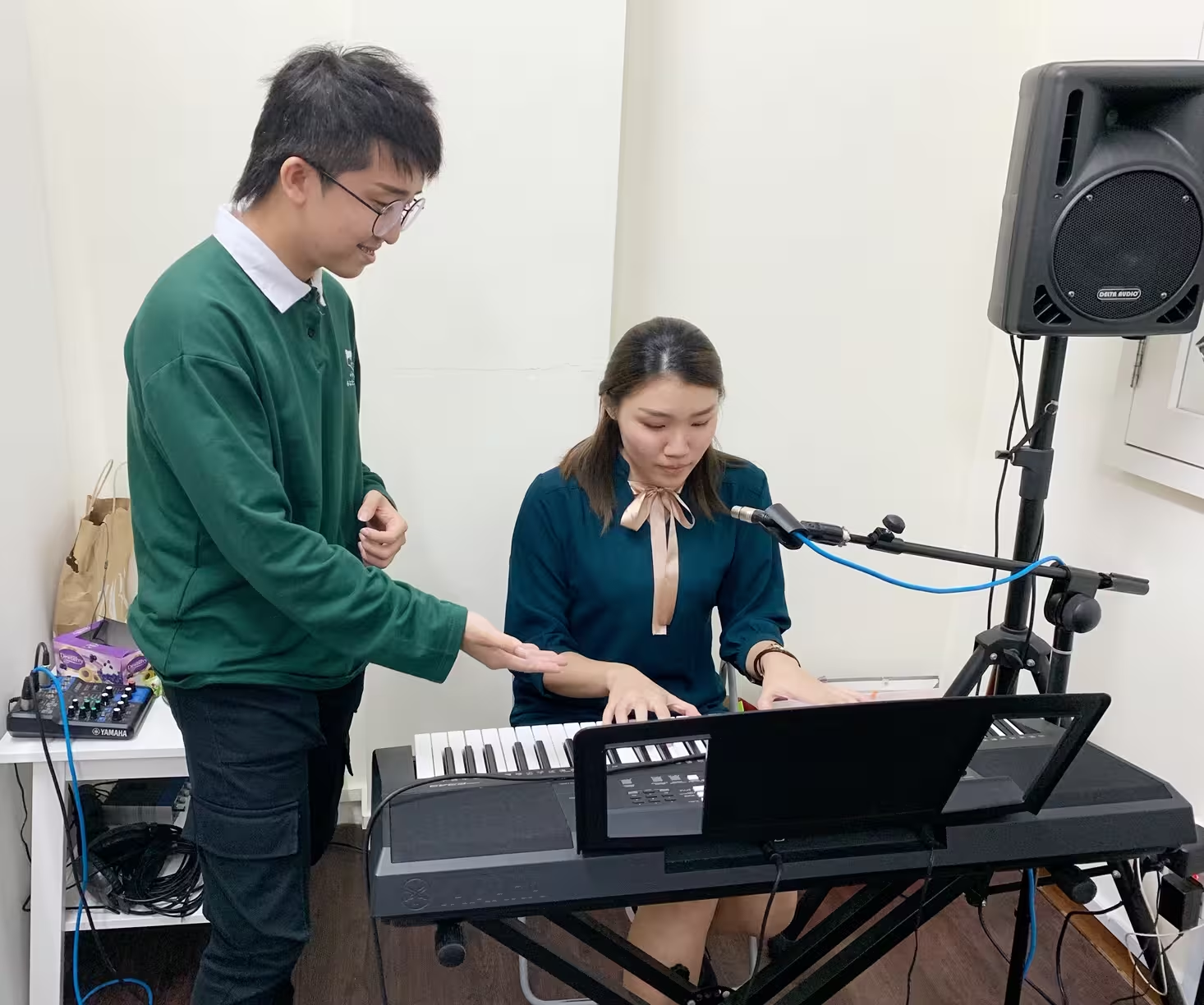
What Is a Pop Keyboard Course?
A Pop Keyboard Course teaches you how to play contemporary songs using melody, chords, rhythm and accompaniment. Rather than focusing only on traditional sheet music, students learn practical skills such as chord progressions, song structure, two-hand coordination and simplified arrangements.
Lessons are adapted to each student's level, from basic keyboard skills and easy melodies for beginners to accompaniment, arrangement, transposition and performance skills for more experienced players.
How Is Pop Keyboard Different from Traditional Piano?
Pop keyboard and traditional piano share important foundations — rhythm, technique, coordination, expression, and music theory. Their usual repertoire and practical applications, however, differ.
| Pop Keyboard | Traditional Piano |
|---|---|
| Pop Keyboard Contemporary pop songs | Traditional Piano Classical, graded, or written repertoire |
| Pop Keyboard Pop melody, chord progressions, rhythm patterns, accompaniment | Traditional Piano Notation reading, technique, scales, arpeggios, written interpretation |
| Pop Keyboard Chord charts, lead sheets, simplified song arrangements | Traditional Piano Complete sheet music |
| Pop Keyboard Accompaniment and pop song-arrangement skills | Traditional Piano Detailed score reading, technical accuracy, classical expression |
| Pop Keyboard How pop songs are structured | Traditional Piano Interpreting the musical details written by a composer |
The two approaches are not mutually exclusive. Students with traditional piano experience can use the Pop Keyboard Course to strengthen chord-based playing, accompaniment, arrangement, and contemporary-song performance.
Who Can Join the Pop Keyboard Course?
The Pop Keyboard Course at Focus Music is suitable for students of different ages and experience levels.
Beginners
No previous keyboard or piano experience is required. Beginners can start with basic instrument familiarity, posture, finger control, rhythm, and simple song application.
Intermediate & Advanced Learners
Students with previous experience can strengthen practical skills that may not have been emphasised in earlier training, including chord progressions, accompaniment patterns, song structure, and playing from simplified arrangements.
Teenagers
Teenagers can learn through contemporary music that reflects their interests while developing stronger technique, musical independence, expression, and performance skills.
Children
The Pop Keyboard Course for children aged six and above is suitable for young learners who can follow instructions and practise regularly. Lessons use age-appropriate exercises and songs adapted to the child’s coordination, concentration, and musical development.
Adults
The course welcomes adult beginners, hobby learners, returning musicians, and experienced players. Lessons can progress at a comfortable pace and focus on practical goals such as playing favourite songs, accompanying vocals, or developing a new creative skill.
What You'll Learn
The pop keyboard lessons develop keyboard technique and coordination, music reading and harmony, rhythm, melody and accompaniment, as well as song arrangement and performance skills.
Keyboard Foundations
Layout, finger numbering, posture, and efficient movement across the keys.
Notes and Music Reading
Learn note recognition, basic notation, chord symbols and lead sheets, with reading skills introduced according to your level.
Chords and Harmony
Major and minor chords, common pop progressions, inversions, and voicings.
Rhythm and Timing
Steady pulse, counting, and tempo control that holds an accompaniment together.
Melody Playing
Accurate notes, phrasing, articulation, and expression across a song.
Accompaniment Techniques
Learn block chords, broken-chord patterns, bass notes and other accompaniment techniques used in contemporary songs.
Two-Hand Coordination
Combining melody, chords, and bass while keeping both hands independent.
Song Structure & Arrangement
Verses, choruses, bridges, and for more experienced players, basic arranging and transposition.
Performance Skills
Playing full songs with consistent timing, dynamics, and confidence.
Your Learning Path
Each student's journey depends on previous experience, practice consistency, coordination, and learning goals.
Foundations & First Songs
Build keyboard foundations through posture, finger control, note recognition, rhythm, simple chords, melodies and introductory two-hand coordination.
Goal:Play simple songs accurately and gradually build towards complete beginner arrangements.
Building Musical Independence
Improve chord changes, inversions, accompaniment patterns, rhythm variation, melody fluency, two-hand coordination, and practical music theory.
Goal:Work on more complete arrangements and develop greater independence when learning new songs.
Performance & Personal Style
Refine chord voicings, accompaniment choices, transposition, rhythmic variation, expressive melody playing, arrangement, and performance control.
Goal:Develop greater musical independence through interpretation, arrangement, improvisation and independent song preparation where appropriate.
How Does the Pop Keyboard Course Work?
A guided, progressive learning process — from initial assessment to complete-song performance.
Initial Assessment
The instructor reviews your previous experience, rhythm, coordination, musical interests, and learning goals.
Suitable Song Selection
Songs are selected to your level and preferences. Instructors may simplify or adapt songs to support the skill being taught.
Skill Development
The instructor introduces the required notes, chords, rhythm patterns, fingering, or coordination exercises before applying them to the song.
Section-by-Section Practice
Songs are divided into manageable sections so you can work on accuracy, timing, transitions, and expression without becoming overwhelmed.
Instructor Feedback
The instructor provides feedback on posture, fingering, rhythm, chord changes, coordination and musical interpretation.
Complete-Song Application
Sections gradually connect into a full performance, with clear practice guidance for continued improvement between lessons.
Pop Keyboard Class Formats and Fees
Students in Singapore can choose a class format according to their preferred learning environment, budget, class size, and required level of instructor attention.
Group Class
Small and interactive, learn alongside classmates at a similar level, building motivation and shared practice habits.
Dual Class
Learn one-on-one with a friend, sibling, or partner, the instructor adapts feedback to each of you individually.
Individual Class
One-to-one instruction shaped entirely around your pace, preferences, and goals.
Pop Keyboard Course Fees at Focus Music
What You Can Achieve
Depending on their level and practice consistency, students may work towards:
- Playing melodies with accurate notes and fingering
- Maintaining a steady rhythm throughout a song
- Changing between common pop chords more smoothly
- Coordinating melody and accompaniment between both hands
- Following chord symbols or simplified song arrangements
- Recognise common pop chord progressions and song structures when learning new songs.
- Accompanying a melody or singer
- Transposing simple songs into a suitable key
- Preparing and performing a complete pop song
- Learn new songs with greater independence and confidence.
Why Focus Music
Established Since 2002
Two decades of practical music education in Singapore.
Experienced Instructors
Backgrounds spanning keyboard, piano, vocals, production, and live performance.
Practical Musicianship
Technique connected to rhythm, chords, structure, and full-song performance, not isolated drills.
Personalised Progression
Pace, repertoire, and goals shaped around you.
Flexible Learning Options
Group, Dual, or Individual, whatever fits how you learn best.
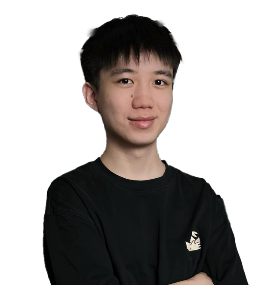
Meet Your Instructors

Keyboard instructor


Listen From Our Students
FAQs
Do I need previous keyboard or piano experience?
No. The pop keyboard course is suitable for beginners as well as students with previous keyboard, piano, or general music experience. The instructor adjusts the lesson level according to the student’s existing skills.
Do I need to know how to read music?
No previous music-reading ability is required for beginners. Students can gradually learn note recognition, chord symbols, rhythm notation, lead sheets, and simplified arrangements as part of the course.
Do I need an instrument at home?
Regular access to a keyboard or piano is strongly recommended because consistent home practice supports finger control, chord fluency, rhythm, coordination, and song retention.
How are songs selected?
Songs are selected according to the student’s level, interests, technical needs, and learning goals. The instructor may simplify an arrangement or focus on selected sections before progressing to the complete song.
Does the course teach only popular songs?
Contemporary songs are a central part of the course, but instructors may also use technical exercises, rhythm drills, chord practice, ear-training activities, or other suitable material to develop the required skills.
Can students learn to sing while playing?
Basic keyboard-and-vocal coordination may be introduced when appropriate. Students who want to focus specifically on playing and singing at the same time can consider Focus Music’s Keyboard Play and Sing Course.
What is the minimum age for joining?
The Pop Keyboard Course is open to children aged six and above, teenagers, and adults. Suitability also depends on the child’s ability to follow instructions and practise between lessons.
How often are classes conducted?
Group classes follow a weekly lesson format. Availability and scheduling for Dual and Individual classes can be discussed during registration or after the trial lesson.
Can I change my class format later?
A change may be possible depending on class availability, the student’s level, and scheduling requirements. Students should discuss the preferred arrangement with Focus Music.
What happens after the trial lesson?
The instructor may recommend a suitable learning level and class format based on the student’s experience, coordination, musical interests, and goals. The student can then decide whether to enroll in the course.
Play Contemporary Songs with Confidence
Develop melody, chords, rhythm, accompaniment and song-arrangement skills through practical keyboard lessons. Choose Group, Dual or Individual classes and start playing the music you enjoy.